
Employment support
Bespoke support to work out what kind of work you want, build towards it step by step, and stay supported once you're there. Résumés, interview practice, real work experience, on-the-job support — with one familiar Mate alongside you.
We're registered to deliver employment and higher-education support across the Gold Coast. It's built around each person's goal, not a program everyone gets.
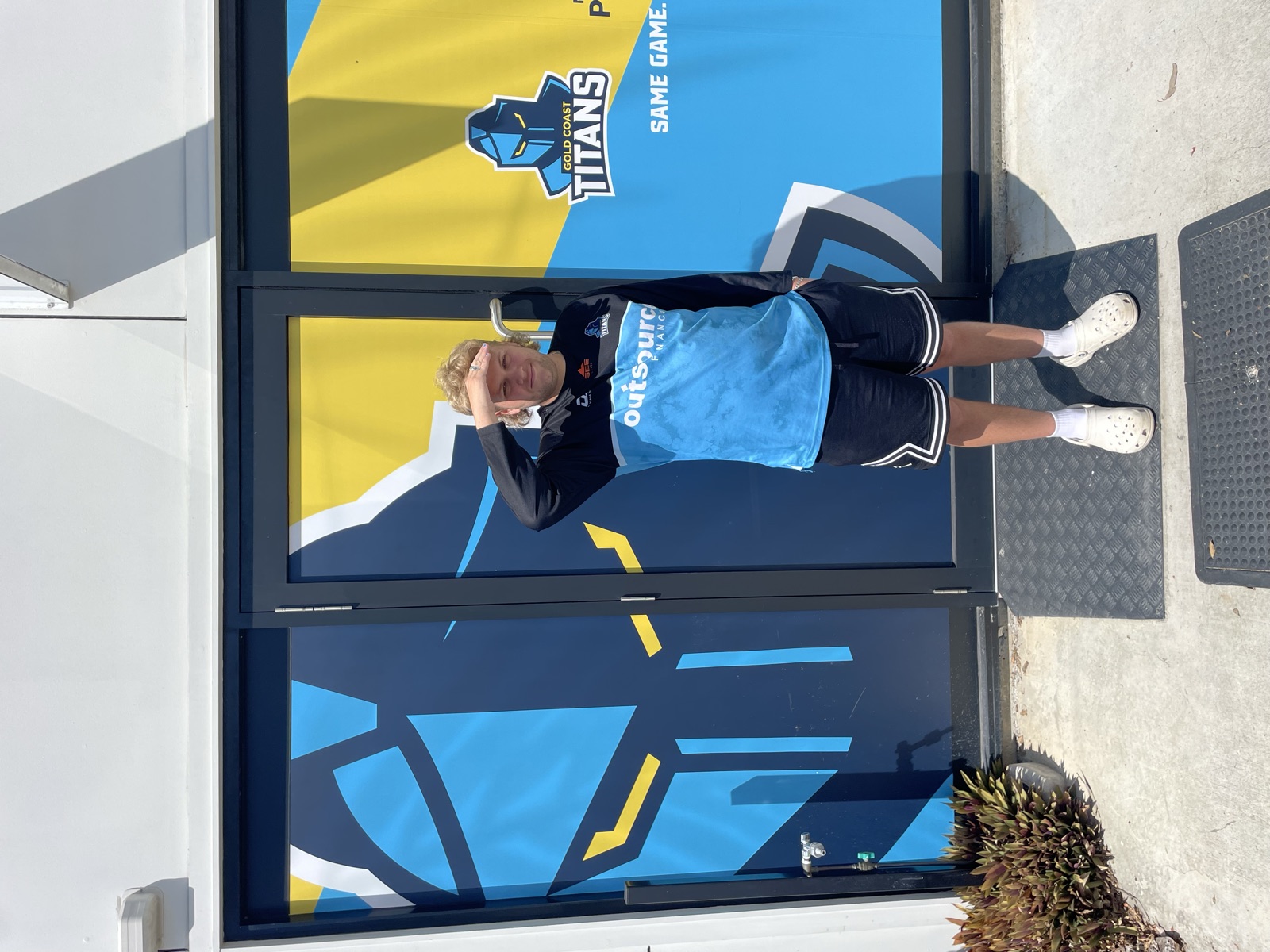
There's no set course. We start by understanding what the person is actually aiming for — the kind of work, the kind of place, the hours that would suit — and then build a plan backwards from there, one step at a time.
For one Mate that's a résumé and some practice interviews. For another it's a few months of work experience to find out what they like. For someone already employed, it's a support worker on site while the job becomes routine. Same approach every time: their goal, their pace, a familiar face beside them.
How the Mates Way works →
Pick what's needed, skip what isn't. These are the pieces we build a plan from.
What kind of work, where, how many hours — and what's realistic as a first step. Sometimes the first job is finding out what you enjoy.
Putting experience, strengths and interests on a page an employer will actually read — then keeping it current.
Mock interviews, the common questions, what to wear, how to get there on time — rehearsed until it feels normal.
Handing out résumés, walking into a workplace to ask, following up — the part most people find hardest, done with someone beside you.
Real shifts in real workplaces, to build routine, confidence and a reference. We find the place that fits the person.
A first taste of turning up and being counted on — often the stepping stone to paid work.
Support with a course, a certificate or the study that a particular job needs — including getting there and staying organised.
Once someone's employed, a support worker alongside them at work — learning the tasks, the people and the routine until it sticks, then stepping back.
Not a menu anyone signs up to — we find the place that suits the person. A few of the ones that have worked:
What these have in common: the Mate turned up every week, the workplace came to count on them, and a support worker who knew them was there as much as needed and no more.
Often, yes — depending on the participant's goals, funding and how their plan is managed. Support like this commonly relates to the Capacity Building category Finding and Keeping a Job; some work-experience and volunteering support can also sit alongside community participation. A support coordinator, plan manager or your my NDIS contact can confirm what applies. We're a registered NDIS provider for employment and higher-education support, and we'll talk it through before anything starts — we never assume a support is funded.
Mostly young people and adults who want to work — or want to find out what work might suit them — and would do better with a familiar person alongside them through the process. School leavers, people who've never worked, people who've had a job before and want another, and people who are employed now and need support to keep it.
We do the finding together. We'll help work out the kind of work and the kind of place, look for openings and placements, make approaches alongside the person, and prepare them for interviews. We can't promise a job — nobody honestly can — but we can promise the groundwork gets done properly and nobody's left to do it alone.
Then that's the first job. Work experience and volunteering exist for exactly this: a few hours a week in a real workplace tells you more than any questionnaire. Most of the Mates who've found work started with trying a few things.
Yes. A support worker can be on site while the role becomes routine — learning the tasks and the people, handling the awkward early weeks — and then step back as confidence grows. How much and for how long is worked out with the person, the family and the employer.
Book a free discovery call and tell us about the person and what they're hoping for. Support coordinators can make a referral here. If employment is one goal among several, the free 12-week support plan is a good way to map it all out.
Tell us a bit about your Mate and we'll map out what the first 12 weeks of getting out and about could look like — free, no pressure.


