
Daily Living
Practical help at home and out in the community — cooking, routines, personal care, getting to appointments and building life skills. It's assistance with daily living done with you, never just for you, so independence keeps growing.
We support Mates at home and out in the community across the Gold Coast — from Mermaid Waters and Carrara to Robina and Mudgeeraba.
Our approach
It would be easy to just do everything for someone — but that doesn't build independence. We work alongside each Mate, breaking everyday tasks into achievable steps and cheering on every win.
Same familiar support workers each week, who truly know the person — their goals, their routines and what good support looks like for them. Skills built at home carry over into a more confident, independent life.
And those home-built skills get their social workout at our group activities.
How the Mates Way works →
Flexible support shaped around each person's goals — at home and out in the community.
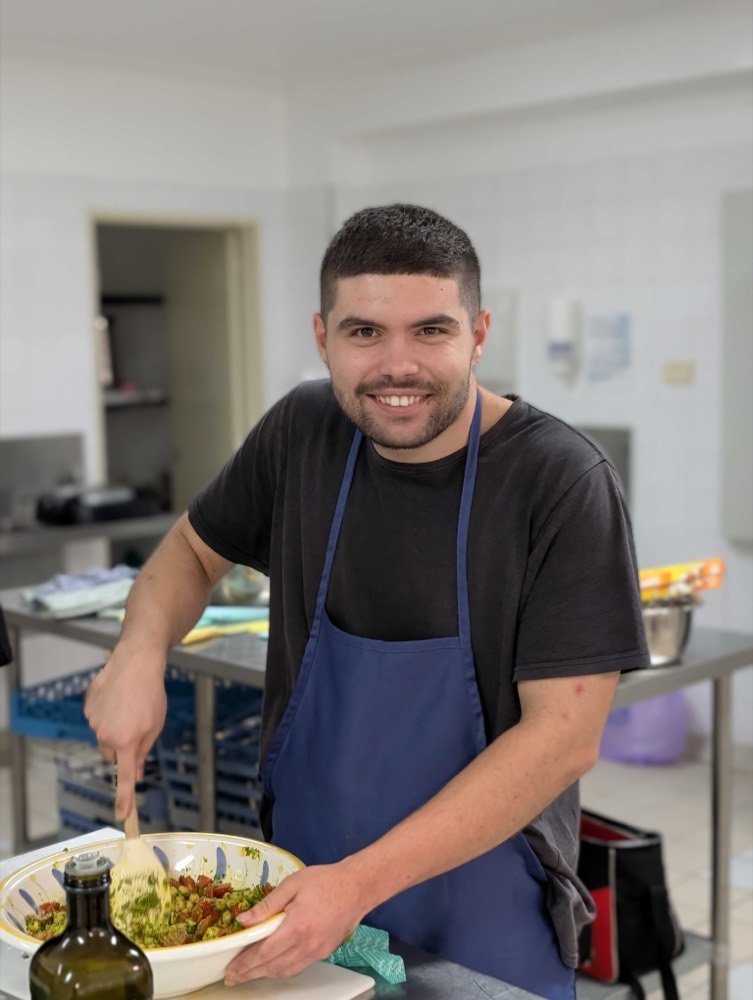
Planning, shopping and cooking together — building kitchen confidence and healthy habits.
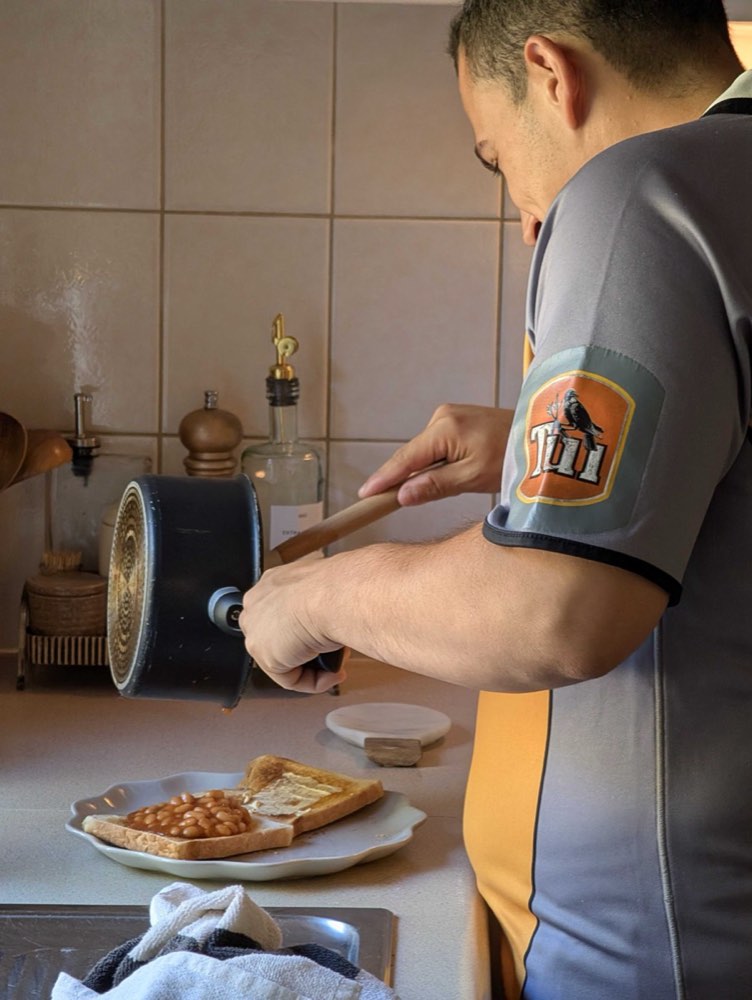
Cleaning, laundry and daily routines — steady support to keep home life running smoothly.
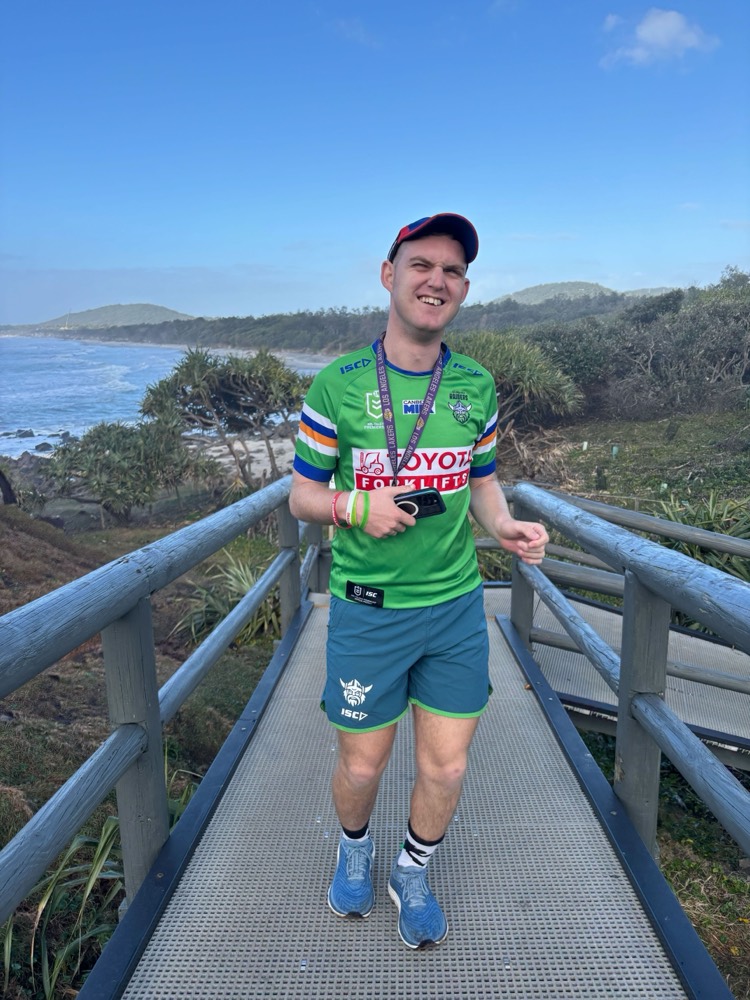
Respectful, dignified help with personal care, hygiene and everyday wellbeing.
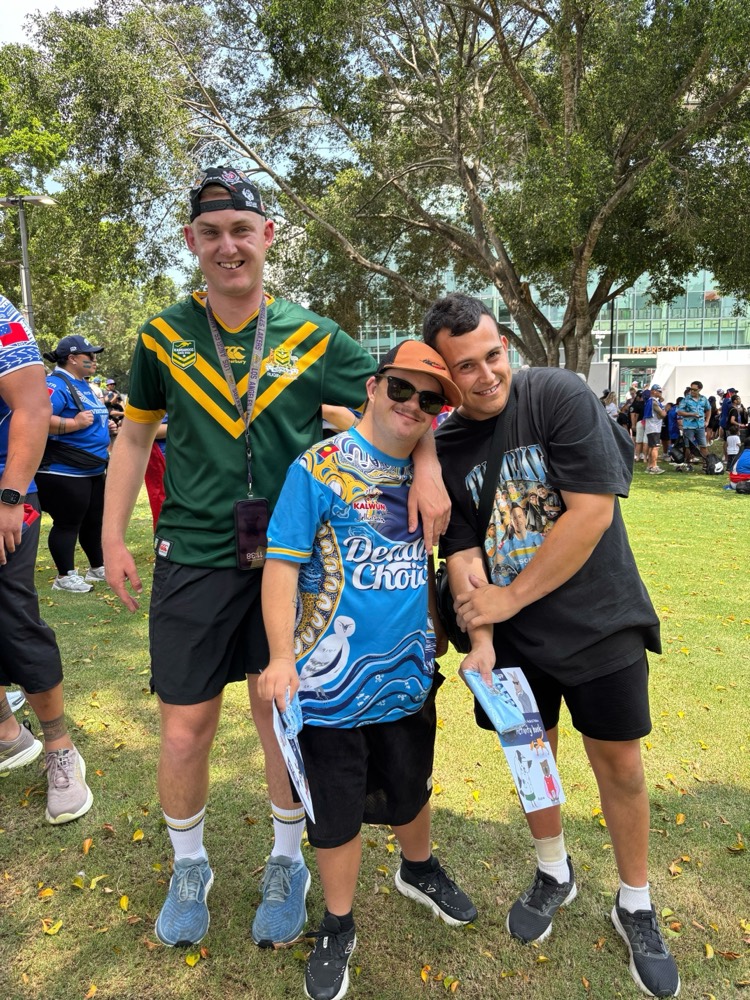
Getting to appointments, shops and social plans — see our dedicated community access support for the full picture.
Support today that means more independence tomorrow.
Doing more for yourself, day by day — the whole point of great support.
Mastering everyday tasks builds real, lasting self-belief.
Practical skills that genuinely stick and carry over into everyday life.
The same familiar faces every week — people who truly know you.
Not sure what the right mix looks like? Build a free 12-week support plan around your Mate's goals.
Referring a participant as a support coordinator? Start here — we reply within one business day.
Life Skills 101
Life Skills 101 is how we run independence sessions: one skill at a time, in real places, built around what each Mate actually wants to be able to do. Not a classroom. Not a worksheet. A laundromat, a bus stop, a café counter.
Plan a lunch, write the list, buy the ingredients, cook or assemble it, eat it. Each step is a skill on its own.
Take a bag to the laundromat, wash, dry, fold and pack it to take home. A real routine, in the order it actually happens.
Top up a go card, plan the trip, catch the bus or tram to somewhere worth going — one route at a time until it's yours.
Money in, money out, money saved. Recognising notes and coins, checking there's enough, understanding change, saving towards something you actually want. Practical skills, not financial advice.
Rehearse ordering a drink or lunch somewhere quiet, then do it for real at the café — with pictures or a card if that works better than words.
Dishes, the dishwasher, what's hot and what's sharp in a kitchen, keeping a routine going without someone reminding you.
Hygiene routines, dressing for the weather, hats and sunglasses, buttons and shoelaces — handled with dignity, at whatever pace suits.
A trusted contact's number, your address, how to ask for help or call 000 — and what to do when things feel too much.
Sessions run 1:1 or in a small group, at home or out where the skill is actually used, with the same familiar support worker. We use visual step-by-step guides and take-home practice where they help, and we record what was tried, what needed a prompt and what changed — so progress is something you can see, not something we assume. Where it fits, home-built skills get their social workout at our group activities and community access outings.
The little wins that add up to big independence.
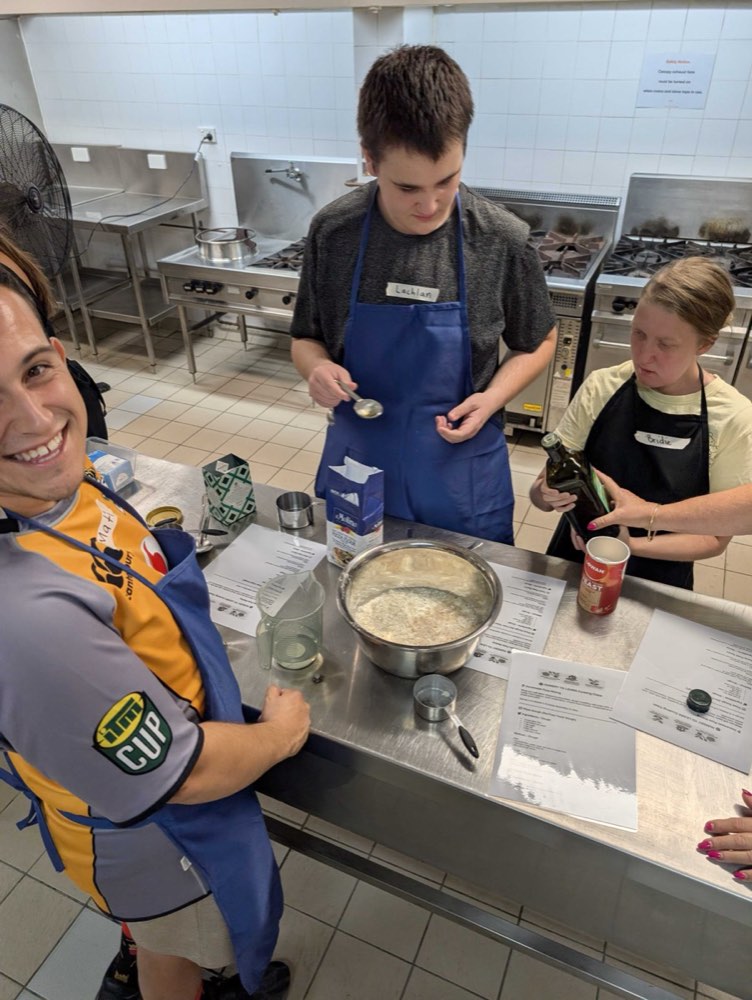
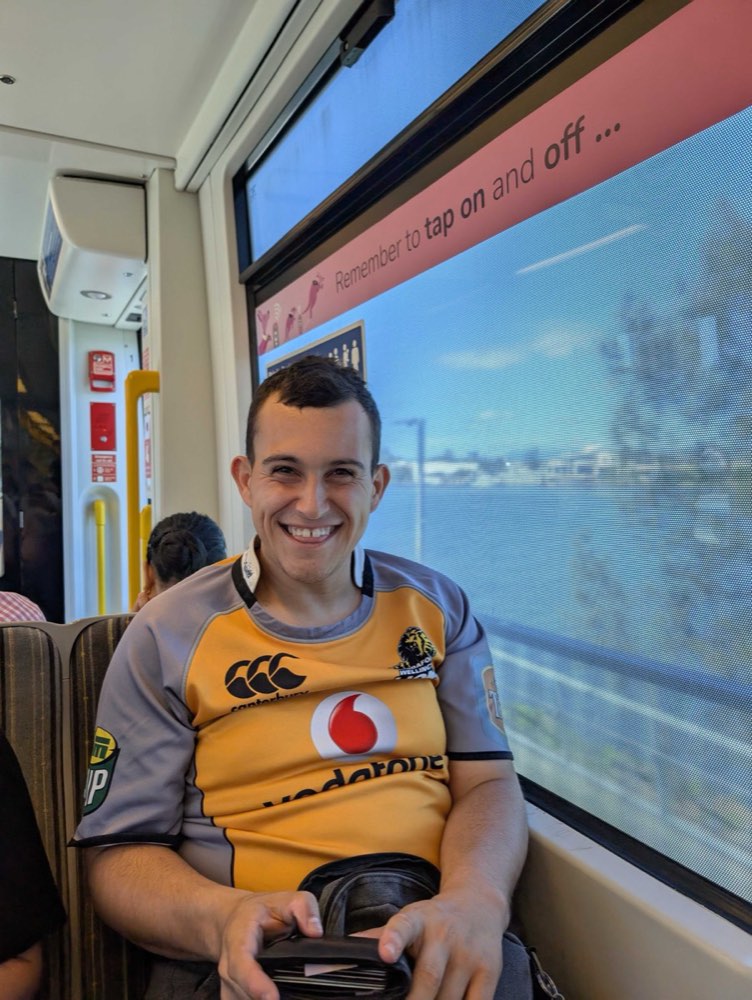
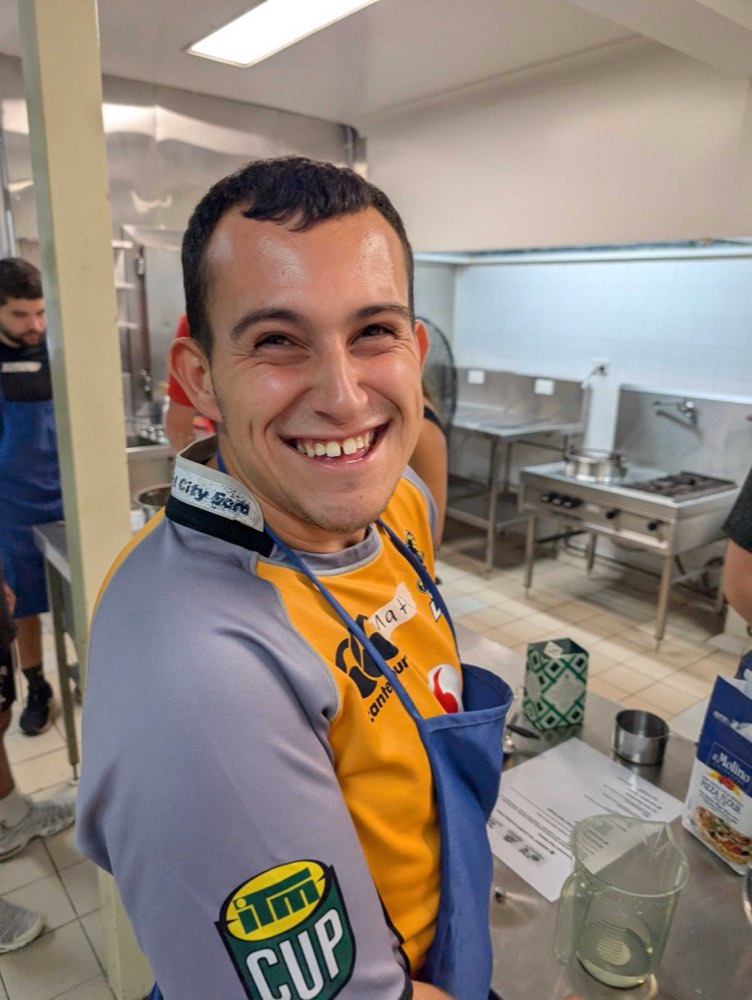
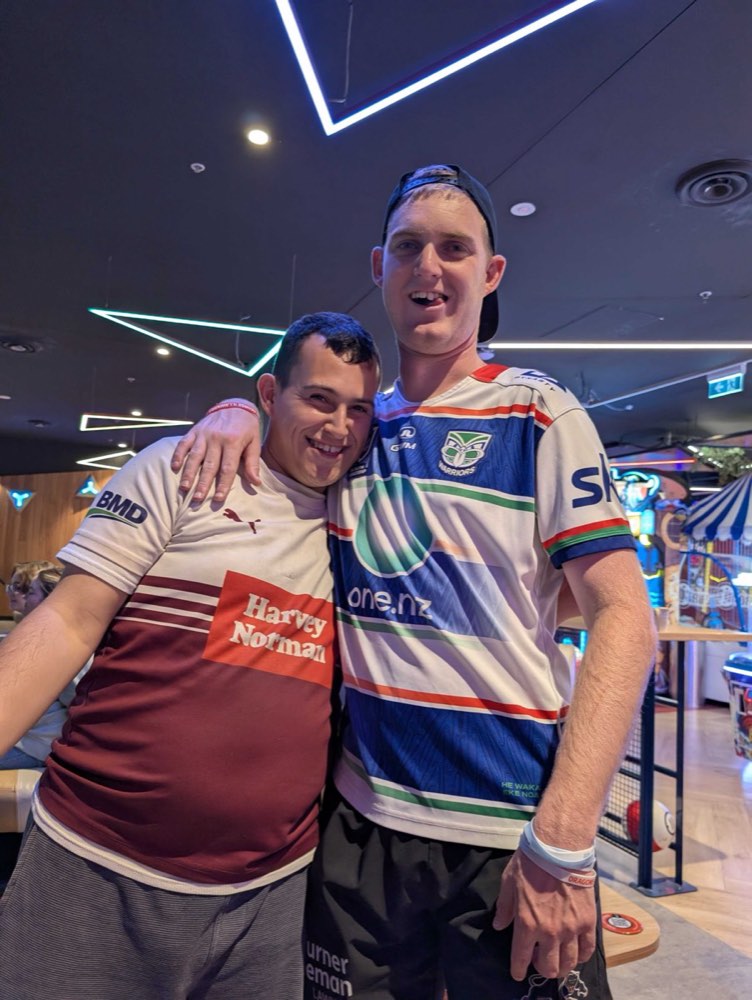
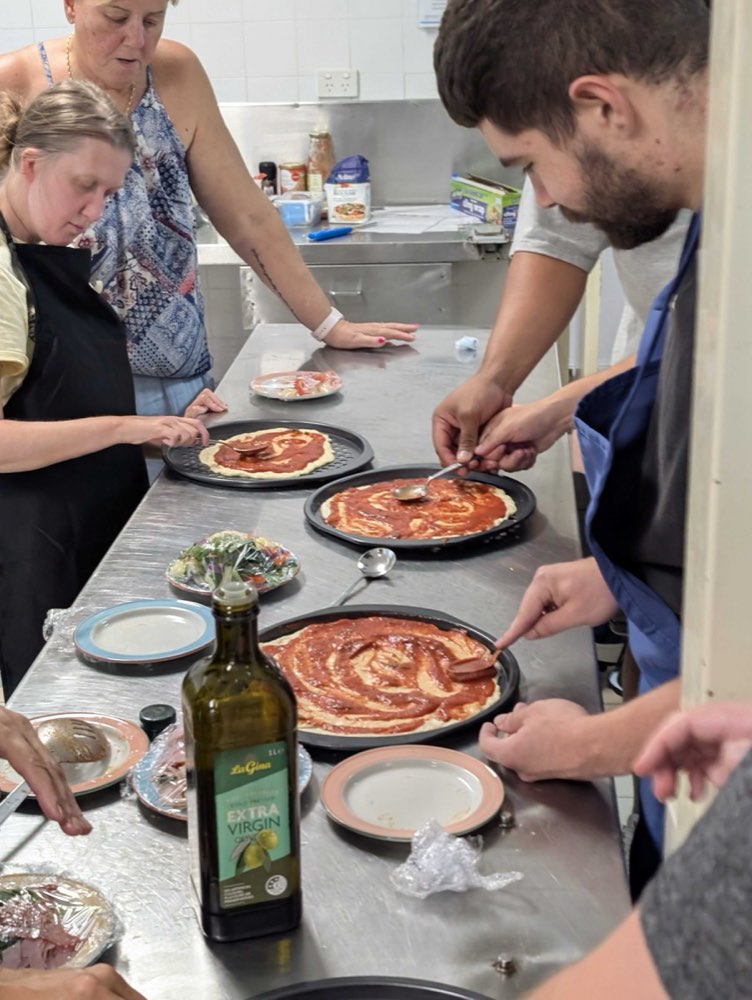

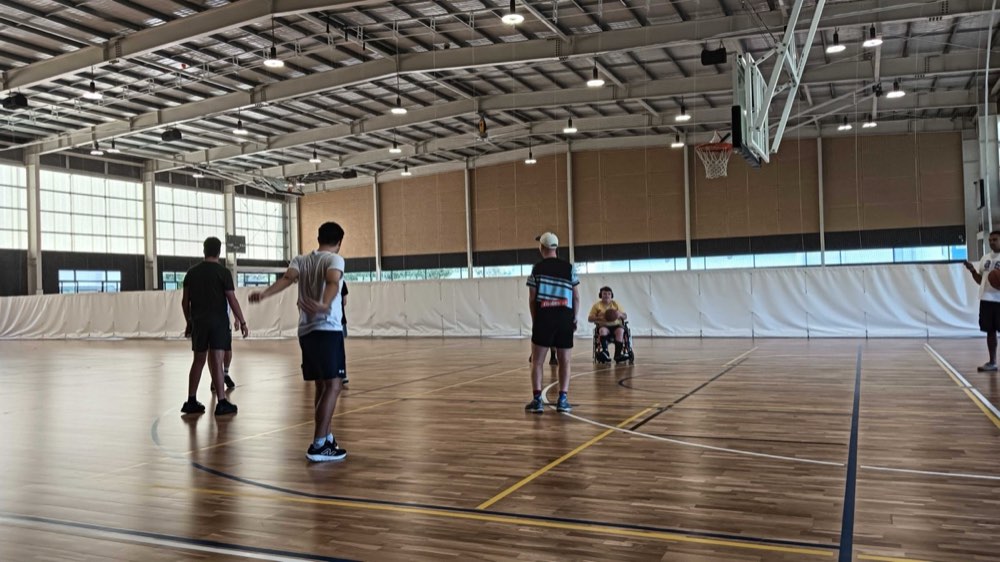
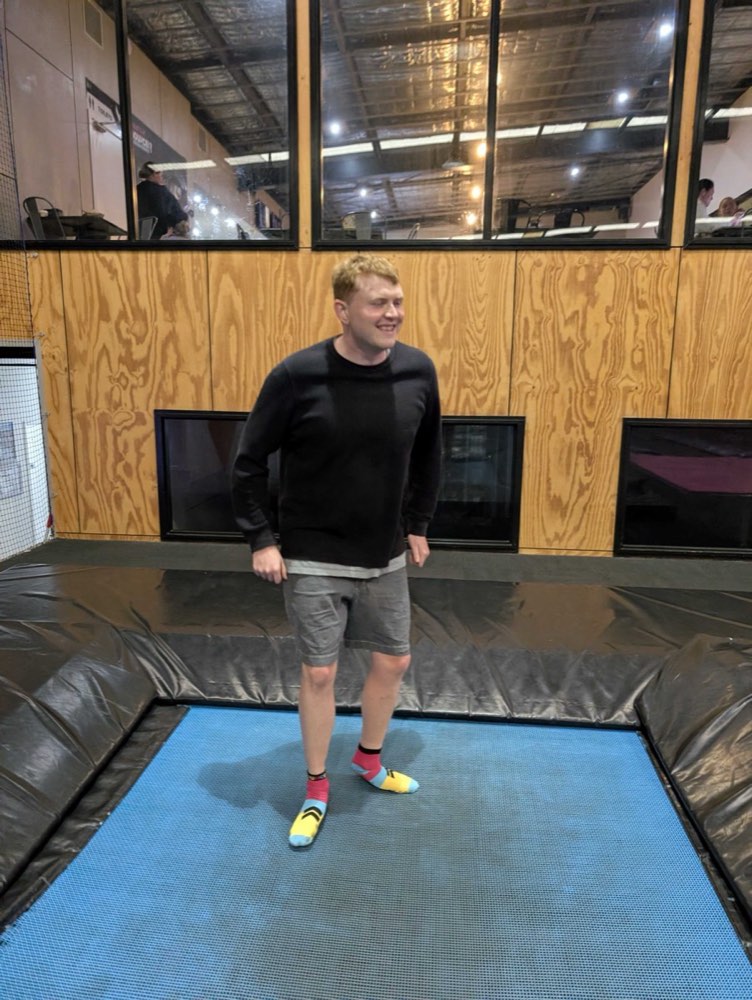
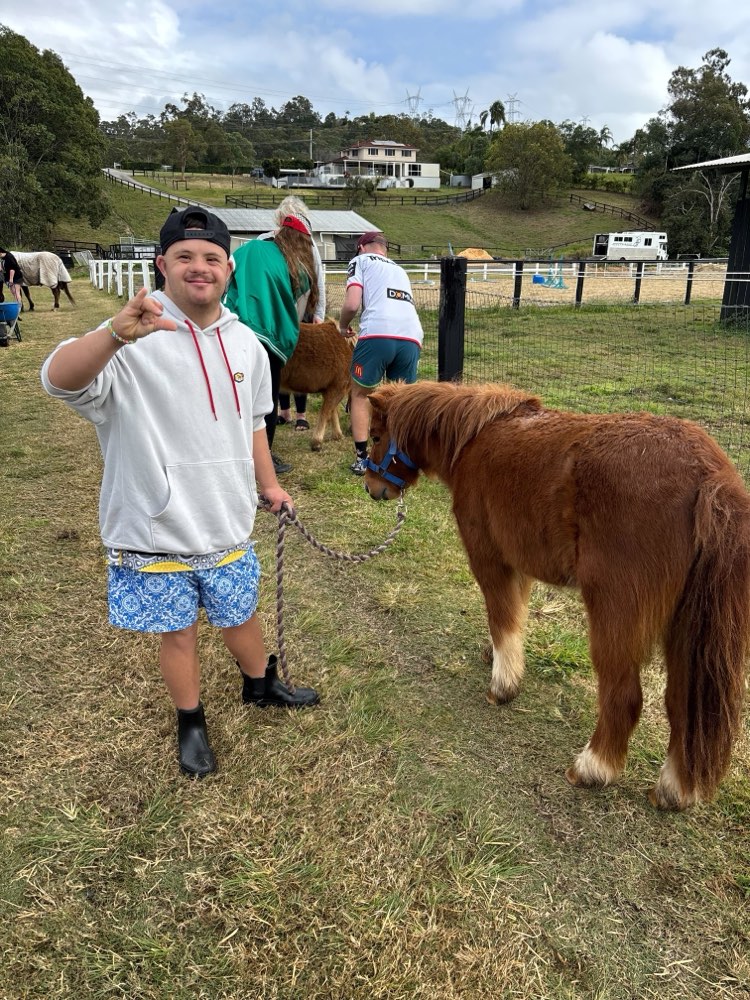
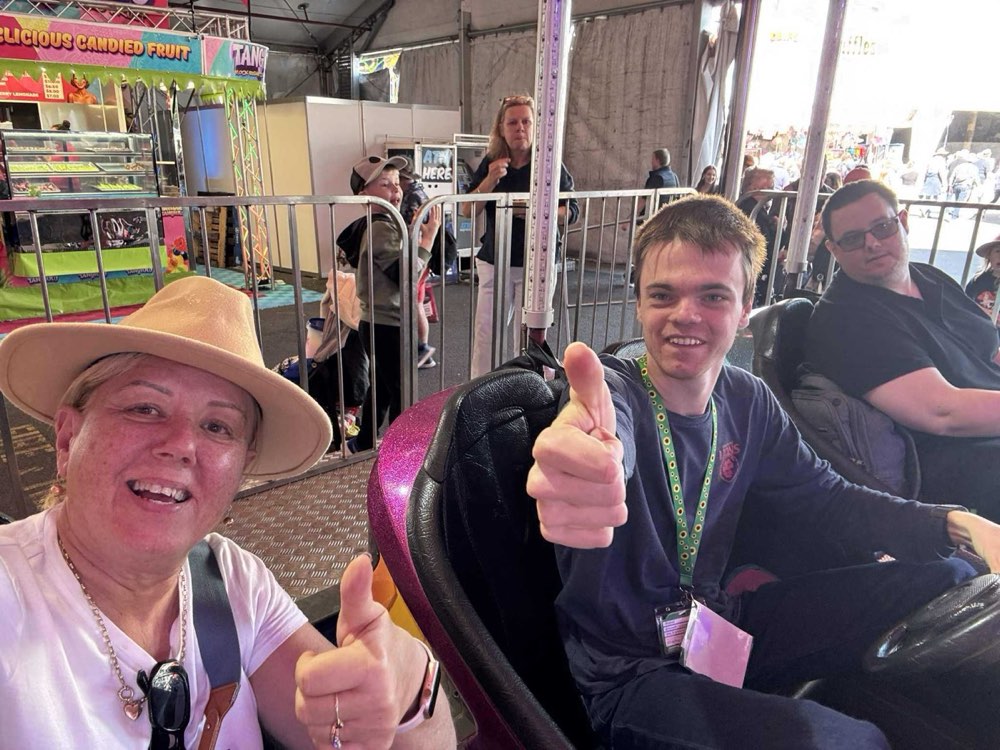
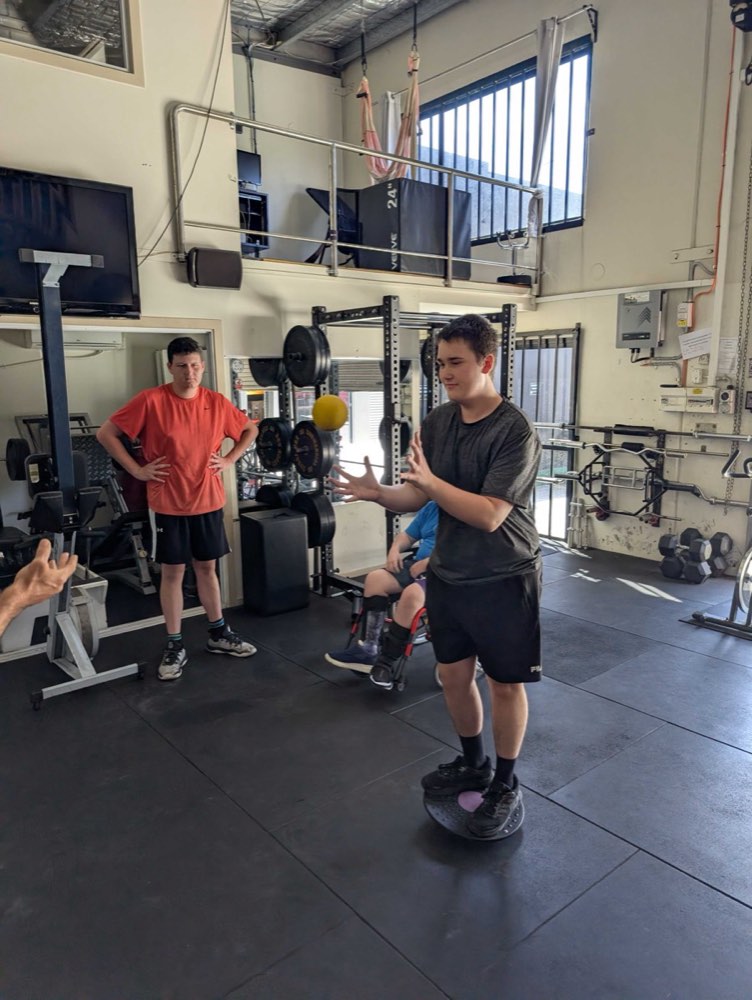
Community access is about getting out and taking part — activities, outings, people. Daily living support is about the everyday things that make an independent life work: cooking, routines, personal care, getting yourself places, handling money. They overlap constantly (a lunch out is also an ordering-and-paying lesson), and plenty of Mates do both. The difference is the purpose behind the hours.
No fixed timetable, no classroom. It's the way we run independence sessions: pick a skill that matters to the Mate, break it into steps, practise it where it's actually used, notice what helped, go again. Some skills work well 1:1 at home; some are better in a small group out and about. We start with what the person wants to learn and ask families which skills would make the biggest difference.
It depends on the participant's plan, goals and how it's managed. Day-to-day help with everyday tasks generally sits under Core Supports (Assistance with Daily Life). Sessions aimed at building a skill — the Life Skills 101 side — often relate to Capacity Building (Improved Daily Living). A support coordinator, plan manager or your my NDIS contact can confirm what applies to your Mate's plan, and we're happy to talk it through before anything starts. We never assume a support is funded.
Yes — at home and out in the community, across the Gold Coast. In-home support is set up individually with the Mate and their family: what the support involves, who the worker is, and how it will run. The same familiar worker each week is the point, especially at home.
Because we write down the specific thing, not "had a good session": which steps they did themselves, what needed a prompt, what changed from the starting point, what to try next. Families hear about wins and wobbles in plain language. If something isn't useful, we change it — a valid result is also "this approach should stop".
Every person is different, so we start with a friendly chat about goals, routines and what would help most. No pressure — just a clear next step.